3D House Printing
The way we build homes is changing—and faster than most people realize.
3D house printing, once seen as a futuristic concept, is now becoming a practical solution to some of the biggest challenges in construction today: rising costs, labor shortages, and long build timelines.
This technology is not just improving how homes are built—it’s redefining what’s possible.
What Is 3D House Printing?
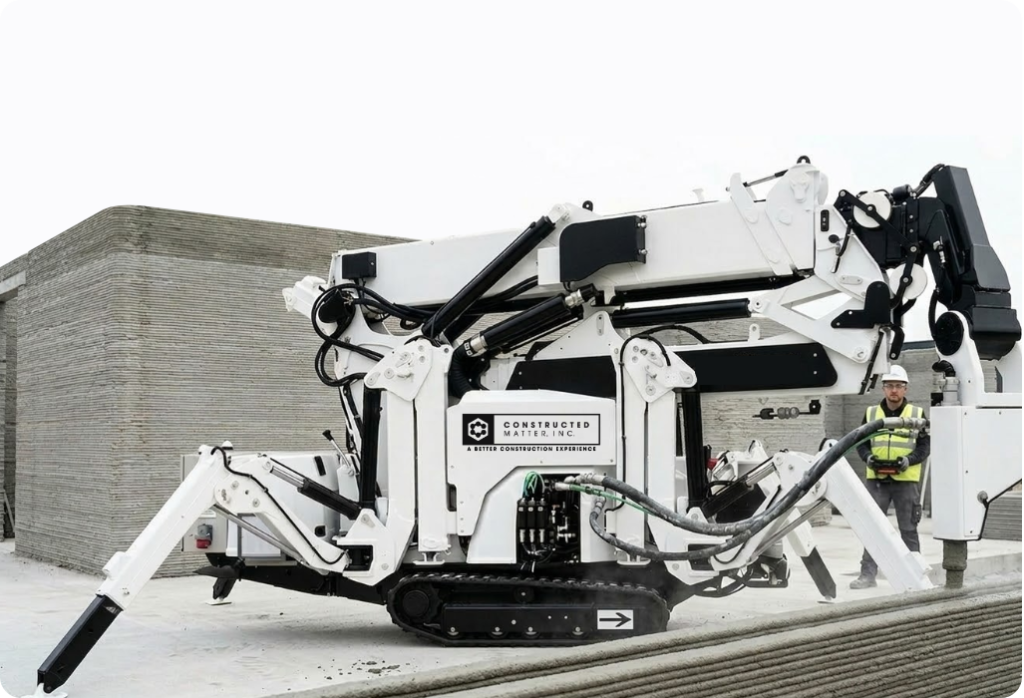
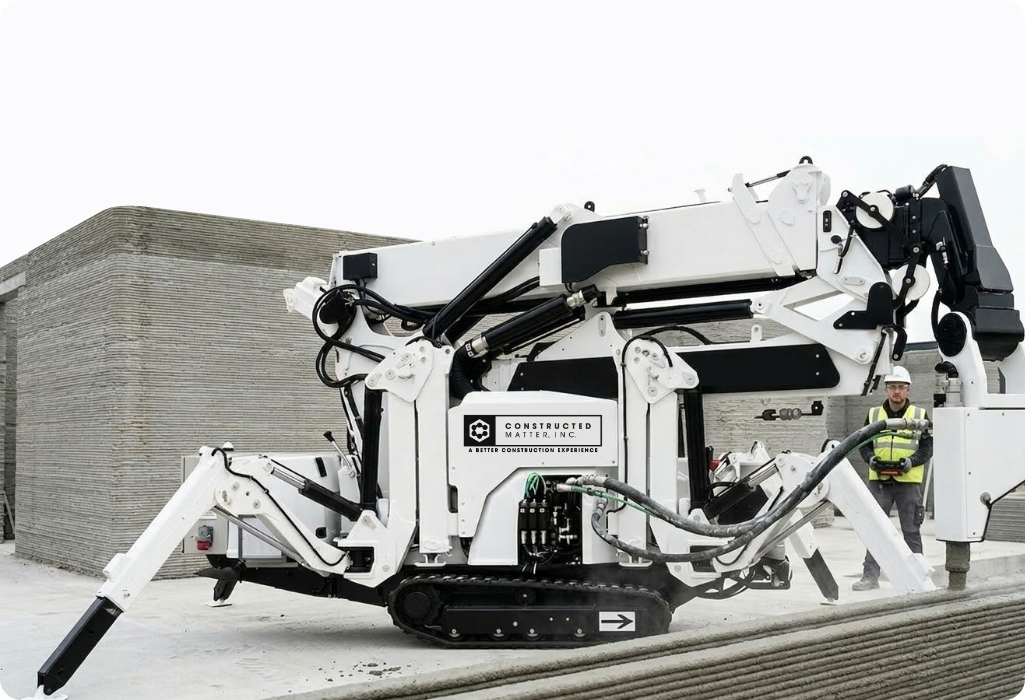
3D house printing uses large-scale robotic systems to construct buildings layer by layer using specialized materials—most commonly concrete.
Instead of traditional framing, cutting, and assembly, a robotic printer follows a digital blueprint and extrudes material to form walls and structural components with extreme precision.
Think of it as taking the concept of a desktop 3D printer and scaling it up to build an entire home.
How It Works
The process is surprisingly efficient:
- Digital Design
Architects and designers create a 3D model of the home using CAD software. - Printer Setup
A large robotic printer is positioned on-site or in a controlled environment. - Layered Construction
The printer deposits material in layers, building walls and structures directly from the design. - Finishing Work
Traditional elements like roofing, windows, plumbing, and electrical systems are added after printing.
In many cases, the core structure of a home can be printed in 24–72 hours.
Why 3D Printing Is Disrupting Construction
1. Speed
Traditional construction can take months.
3D printing can produce structural components in days.
This dramatically reduces project timelines and accelerates housing availability.
2. Cost Efficiency
Labor is one of the largest costs in construction.
3D printing reduces the need for large crews, minimizes material waste, and streamlines the building process—making it a more affordable option, especially at scale.
3. Design Freedom
Curves, custom shapes, and organic structures are difficult and expensive with traditional methods.
With 3D printing, these designs become easy to execute, opening the door to more creative and functional architecture.
4. Sustainability
3D printing uses materials more efficiently, reducing waste.
Some systems even incorporate recycled materials or environmentally friendly concrete alternatives, making it a more sustainable building solution.
5. Labor Shortage Solution
The construction industry is facing a growing labor shortage.
Automation helps fill that gap—allowing smaller teams to complete larger projects with greater consistency.
Real-World Applications
3D house printing is already being used in:
- Affordable housing developments
- Disaster relief housing
- Military and remote infrastructure
- Custom residential builds
- Eco-friendly housing communities
Entire neighborhoods of 3D-printed homes are now being developed around the world.
Challenges to Overcome
While promising, the technology is still evolving.
Some current challenges include:
- Building codes and regulatory approval
- Material limitations
- Integration with traditional construction systems
- Public perception and adoption
However, these barriers are steadily being addressed as the technology matures.
The Future of Home Design
3D printing is not just about building faster—it’s about building smarter.
In the near future, we can expect:
- Fully automated construction sites
- AI-driven home design optimized for cost, efficiency, and energy use
- On-demand home production
- Mass customization at scale
- Integration with smart home technology
Homes will no longer be limited by traditional construction constraints—they will be designed around how people actually live.
Where Automation Meets Opportunity
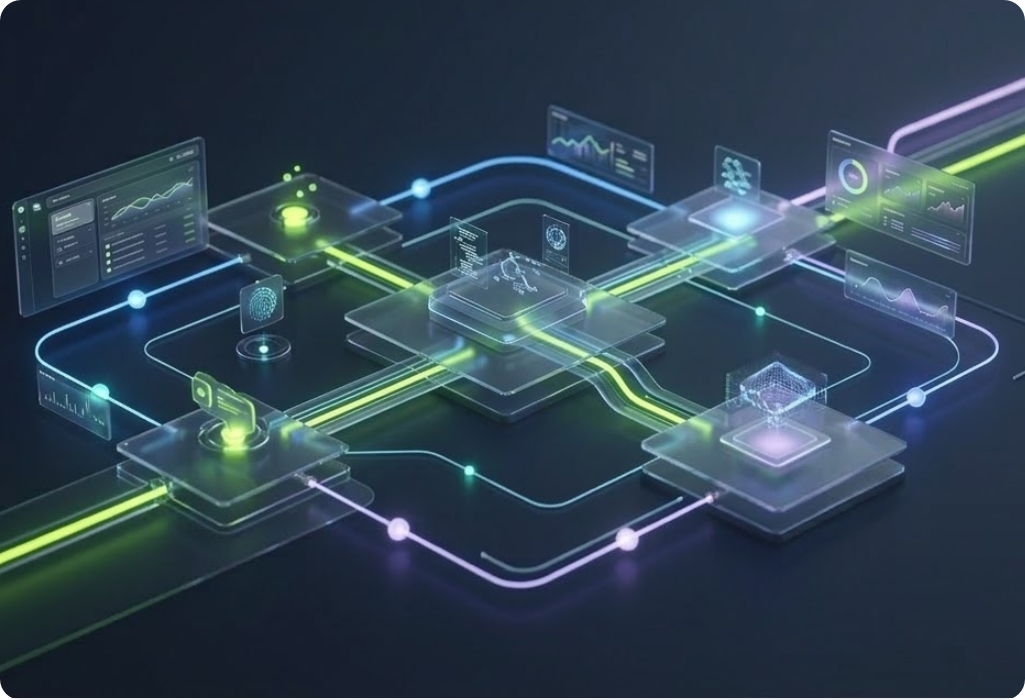
This shift mirrors what’s happening across industries: automation is becoming the foundation of growth and efficiency.
Just as 3D printing is transforming construction, platforms like Channel Cast are transforming business operations—automating communication, streamlining workflows, and enabling companies to scale faster.
The common thread?
Smarter systems replacing manual processes.
The Bottom Line
3D house printing is more than a trend—it’s a fundamental shift in how we design and build the spaces we live in.
Faster builds. Lower costs. Greater flexibility.
And as automation continues to evolve, the line between digital design and physical creation will only continue to blur.
The future of housing isn’t just being built.
It’s being printed.